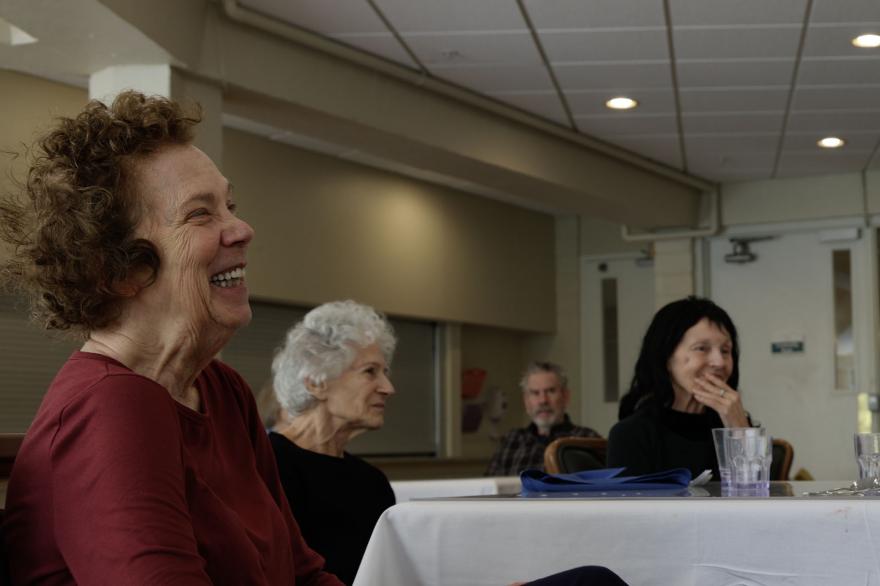
Kendall Osbourne - Guitar
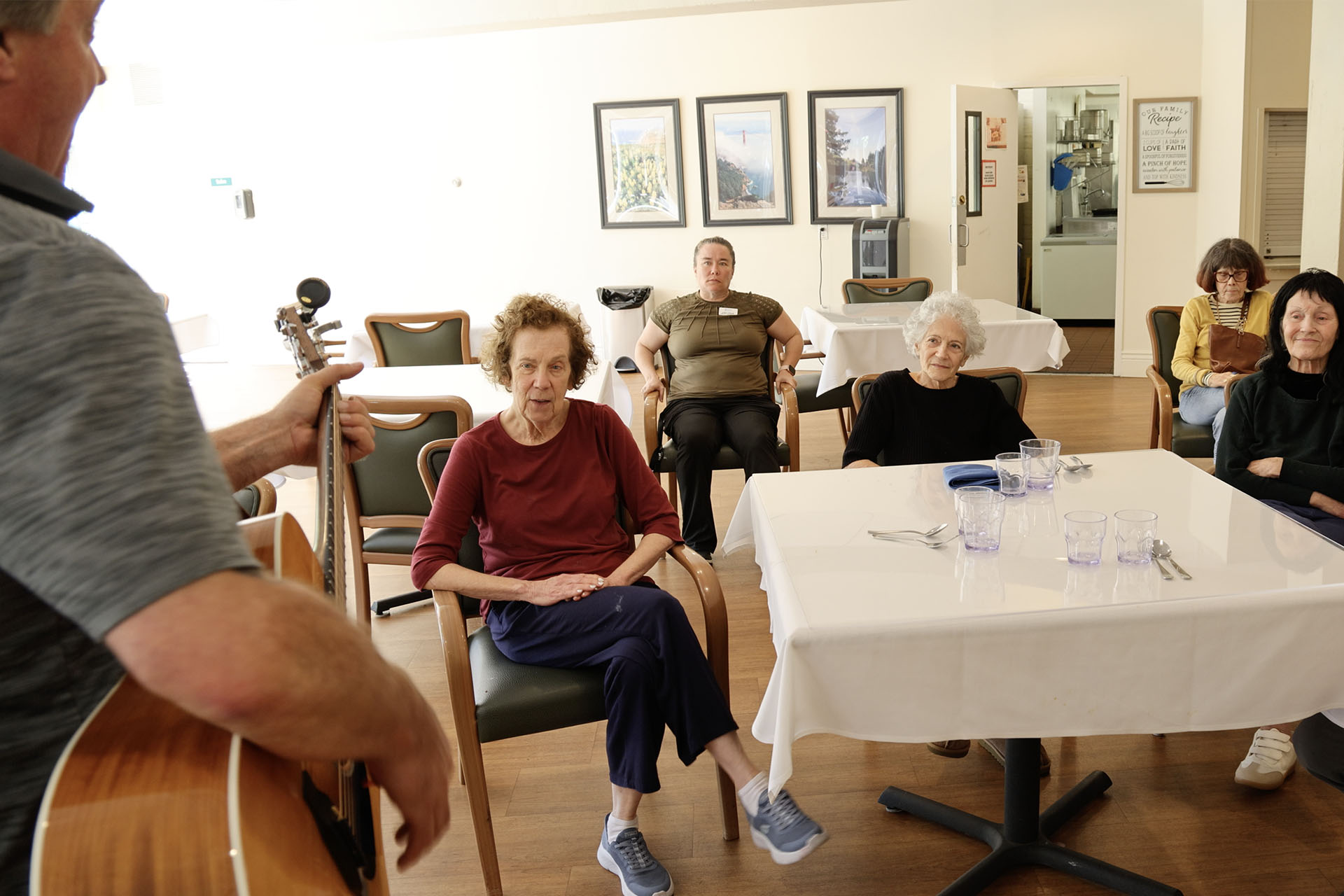
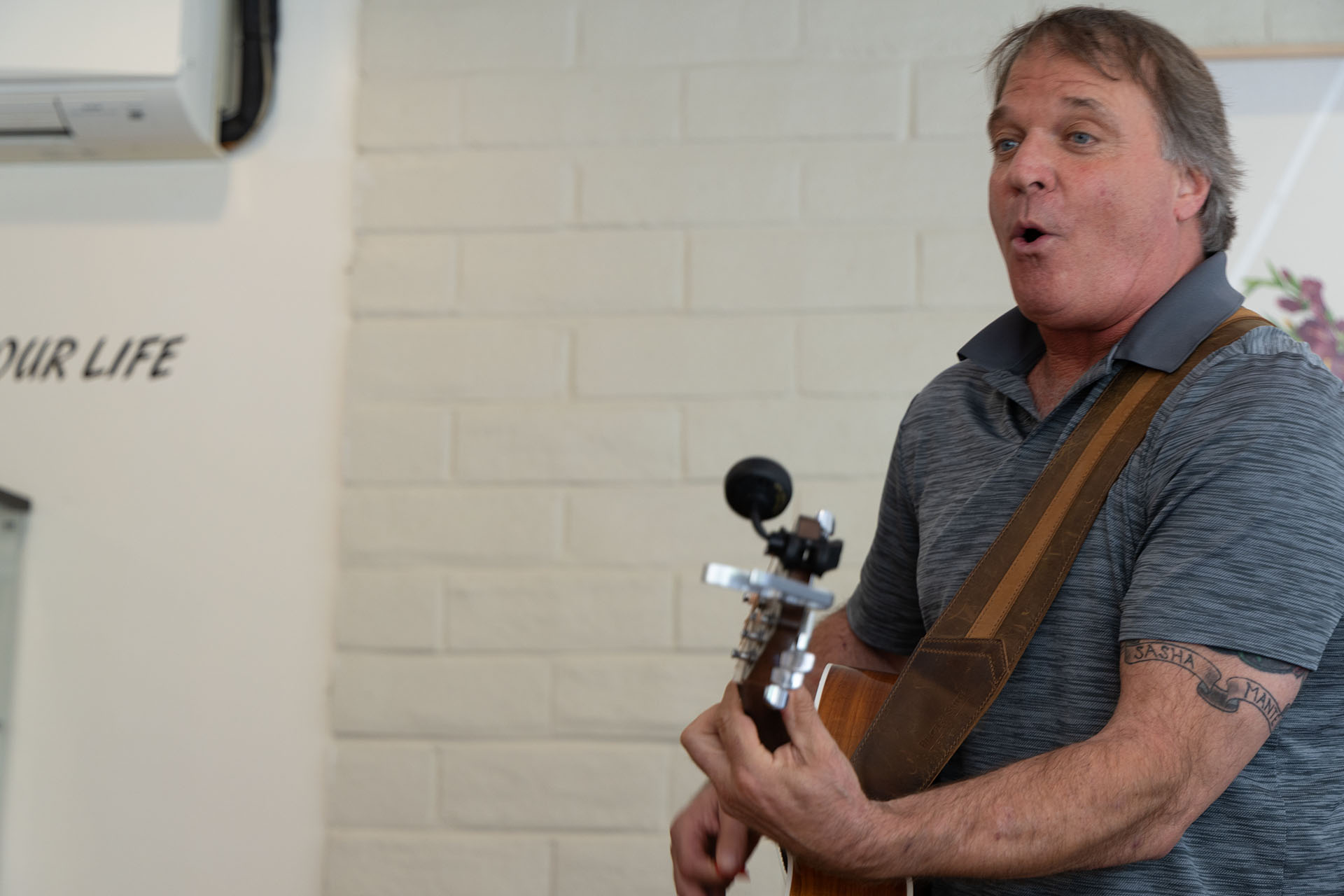
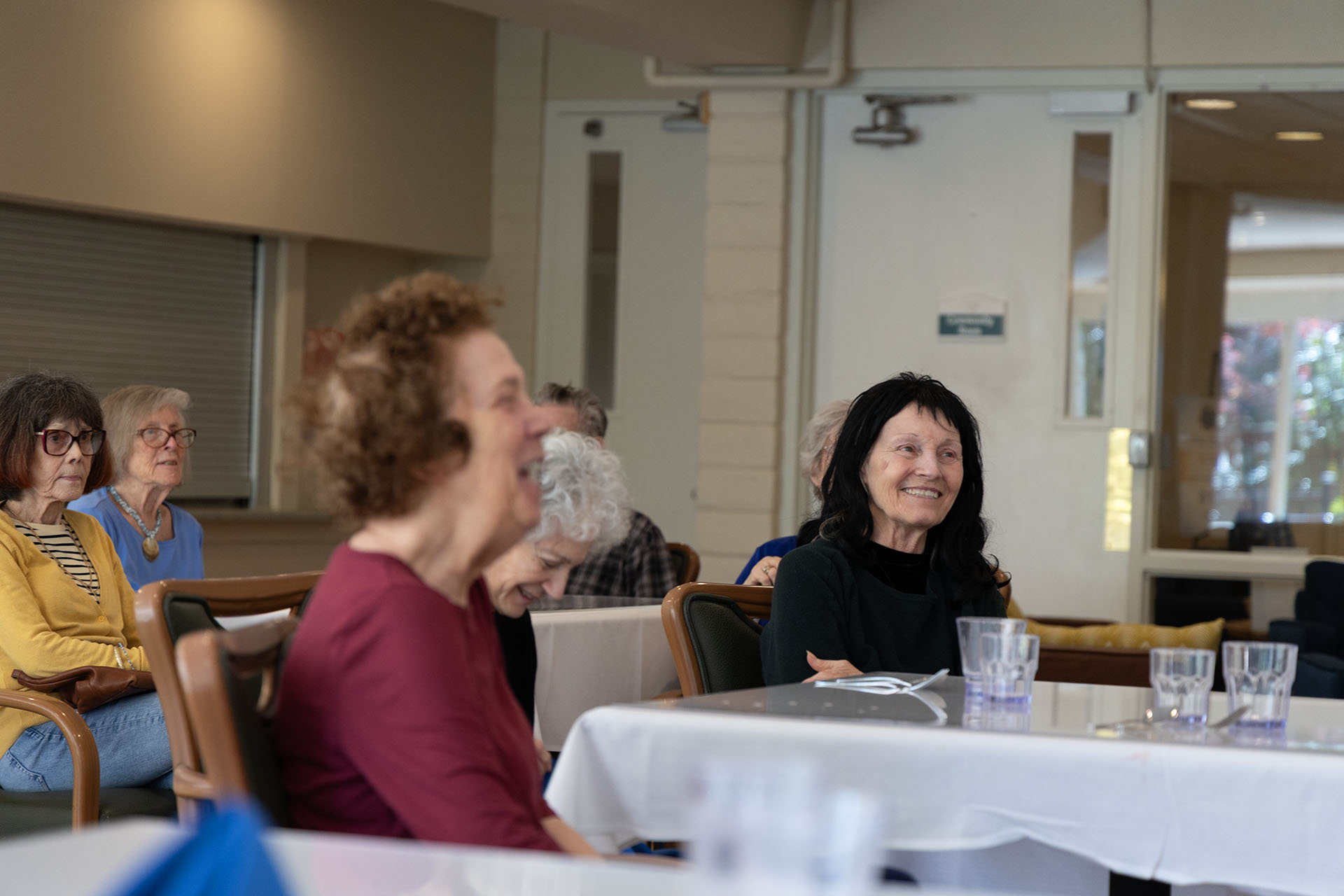
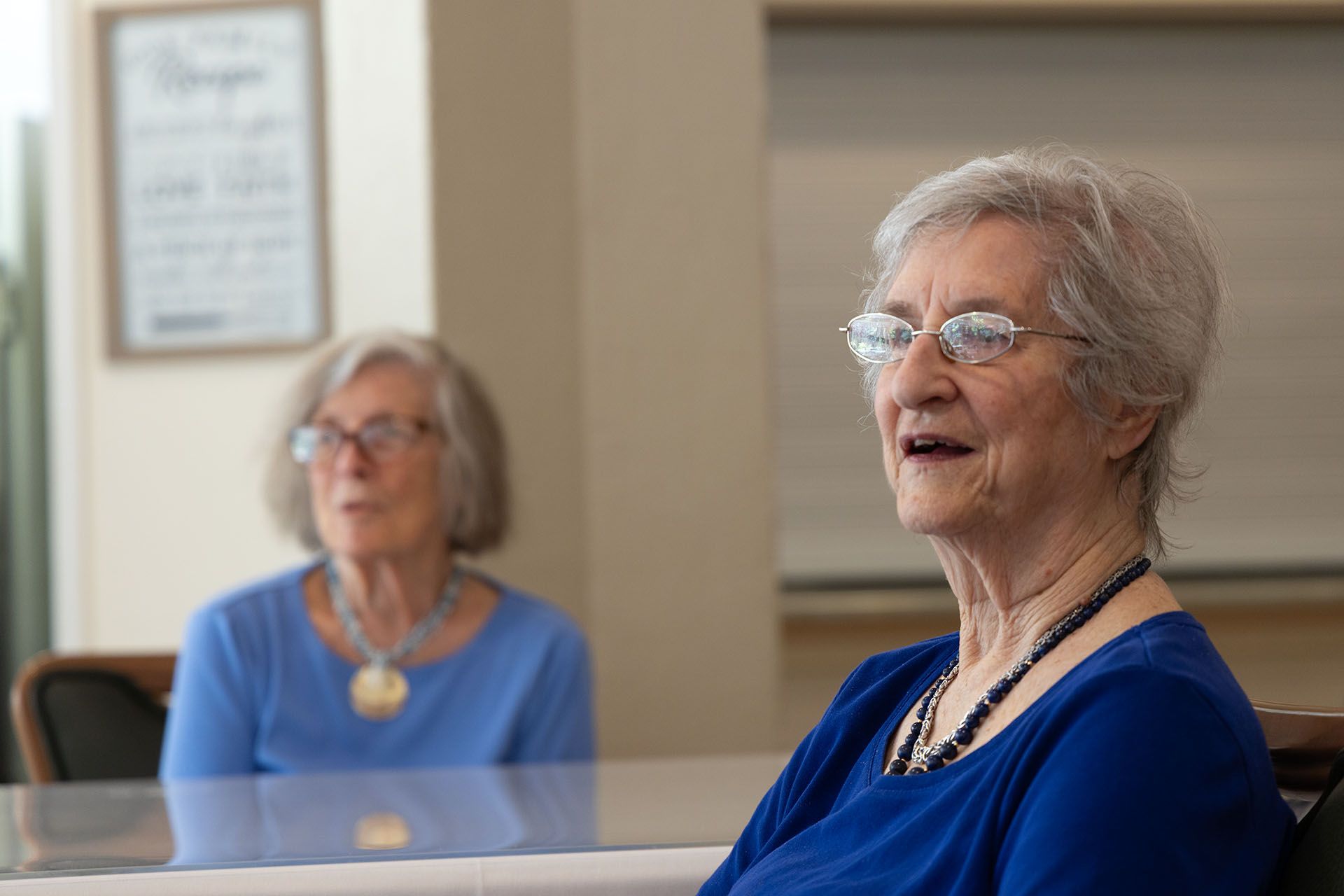
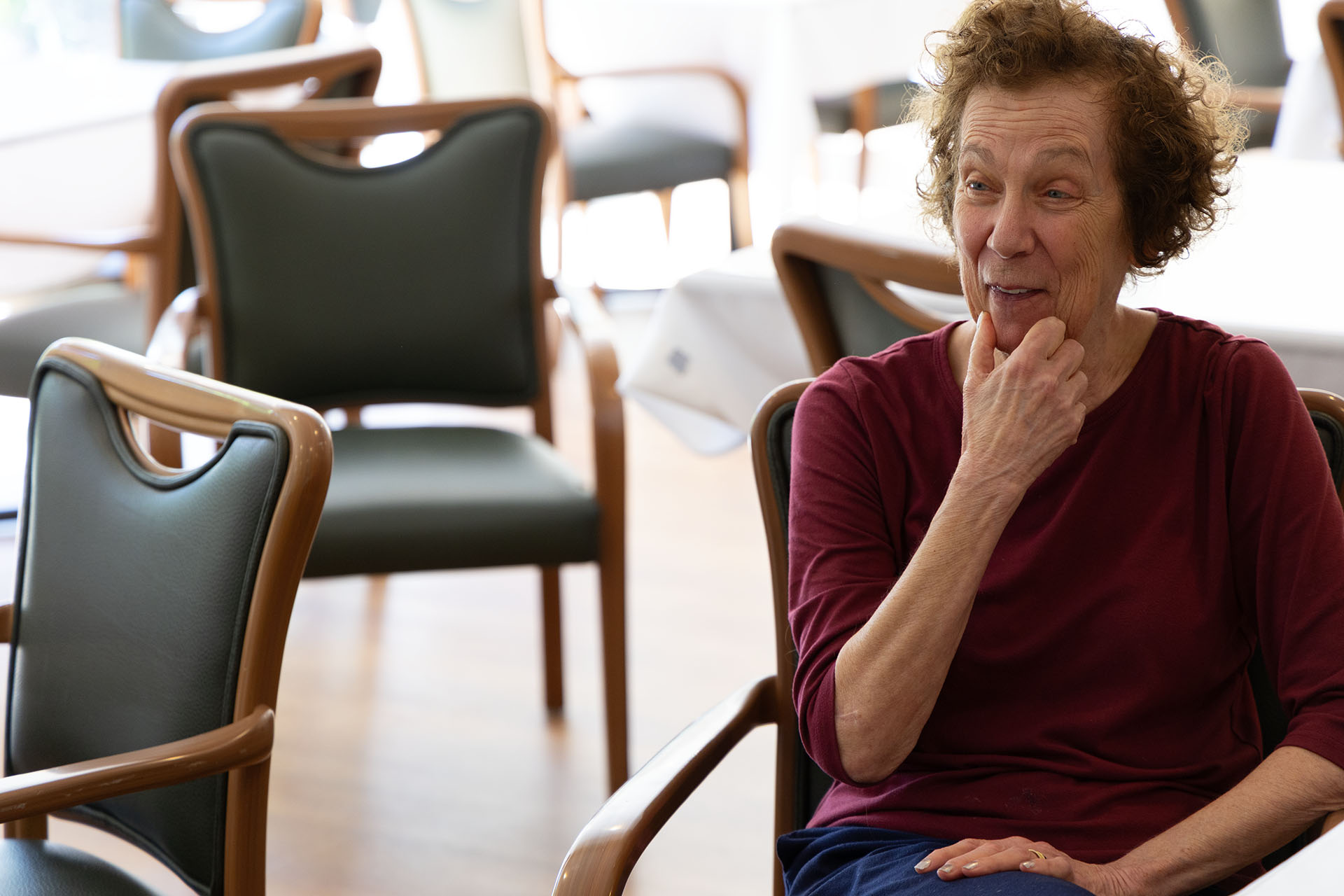
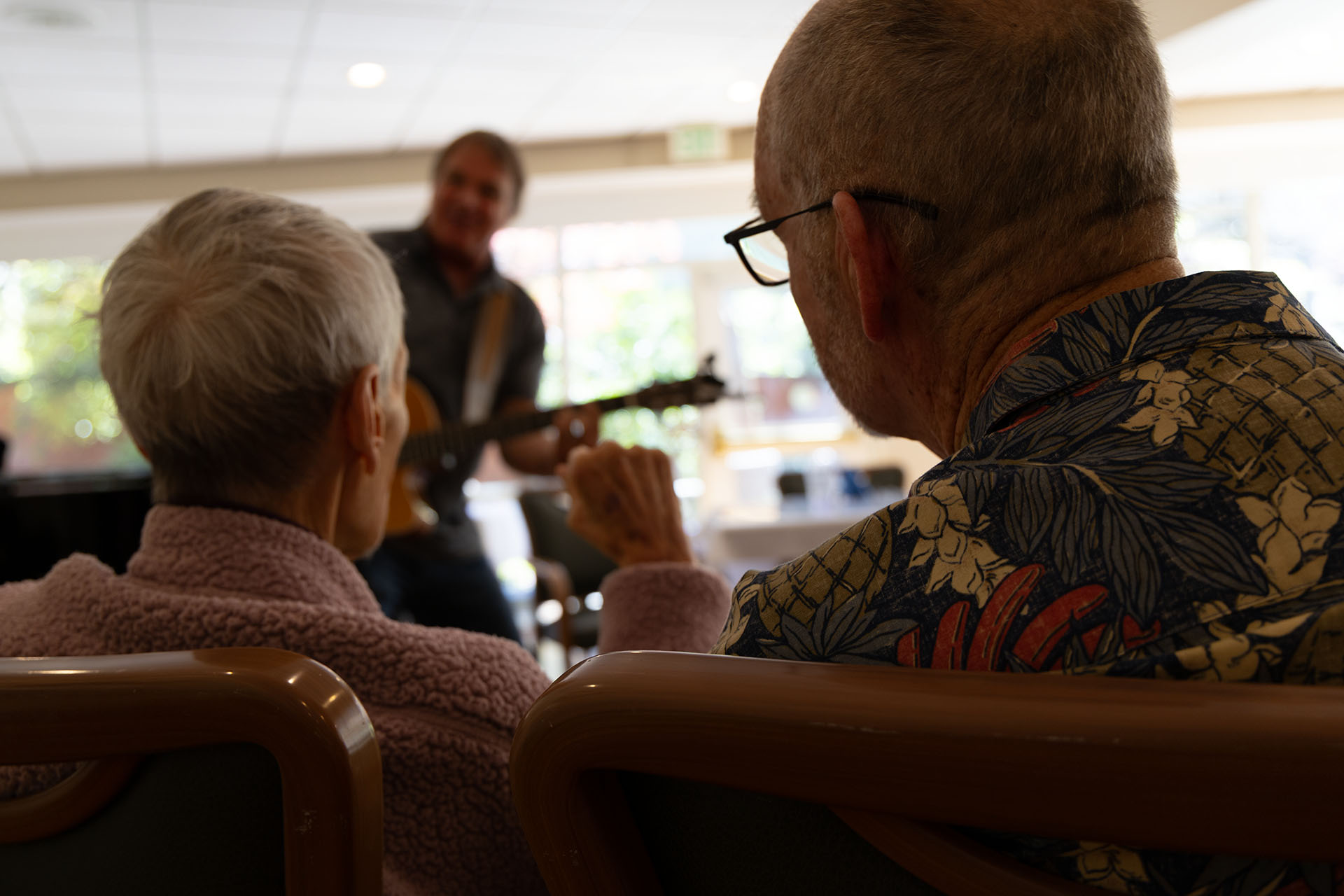
At WindChime of Marin, we believe that music has a unique power to bring people together, spark memories, and create a warm, lively atmosphere. Our regular live concerts are a favorite part of daily life here at our community. Recently, we hosted a fantastic afternoon with local Bay Area guitarist Kendall Osbourne, who treated everyone to a wonderful acoustic performance of Roger Miller’s 1965 classic, "King of the Road." Kendall kicked off the set with a clean, finger-picked acoustic intro that instantly set a calm, happy mood throughout the room, showing just how beautifully a live instrument can capture everyone's attention and ease the day's stresses.Kendall Osbourne - Guitar
Kendall Osbourne "King of the Road" Live at WindChime of Marin Memory Care
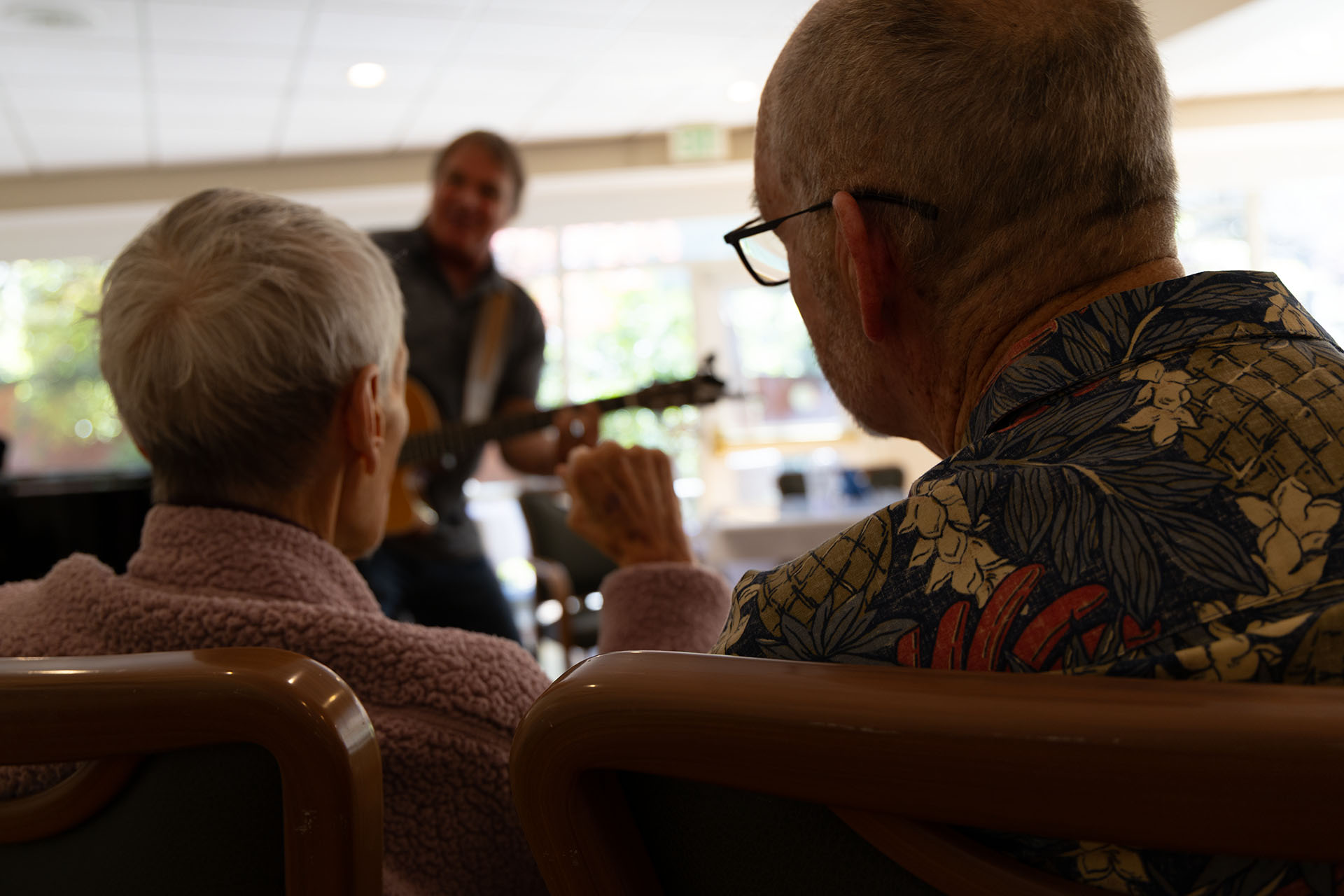 At WindChime of Marin, we believe that music has a unique power to bring people together, spark memories, and create a warm, lively atmosphere. Our regular live concerts are a favorite part of daily life here at our community. Recently, we hosted a fantastic afternoon with local Bay Area guitarist Kendall Osbourne, who treated everyone to a wonderful acoustic performance of Roger Miller’s 1965 classic, "King of the Road." Kendall kicked off the set with a clean, finger-picked acoustic intro that instantly set a calm, happy mood throughout the room, showing just how beautifully a live instrument can capture everyone's attention and ease the day's stresses.
We are a boutique senior living community located in beautiful Kentfield, California, and for over 20 years, our team has specialized in providing loving, dedicated care for individuals living with Alzheimer’s, dementia, and memory loss. Everything we do revolves around our signature Generations Memory Care program, where we tailor each day to the unique life stories and favorite hobbies of our residents. We love hosting local musicians because we see firsthand how familiar, old-time melodies can cut right through the fog of memory loss. Even when seniors have trouble remembering recent conversations, the songs from their youth stay locked in their hearts, helping them feel completely grounded, present, and joyful.
WindChime of Marin events like this focus on:
- Atmospheric Sensory Shifting: The opening finger-picked acoustic intro by Kendall Osbourne was intentionally utilized to reduce environmental baseline noise and lower cortisol levels among attendees.
- The 1960s Nostalgia Trigger: Selecting Roger Miller's 1965 classic country-pop track targeted the teenage and young-adult formative years of the majority of the resident audience, maximizing long-term memory retrieval.
- Walking-Bass Cognitive Anchors: The song’s predictable, steady walking-bass line and simple chord progressions provided a clear rhythmic pattern that the brain can easily track, acting as a physical and mental anchor.
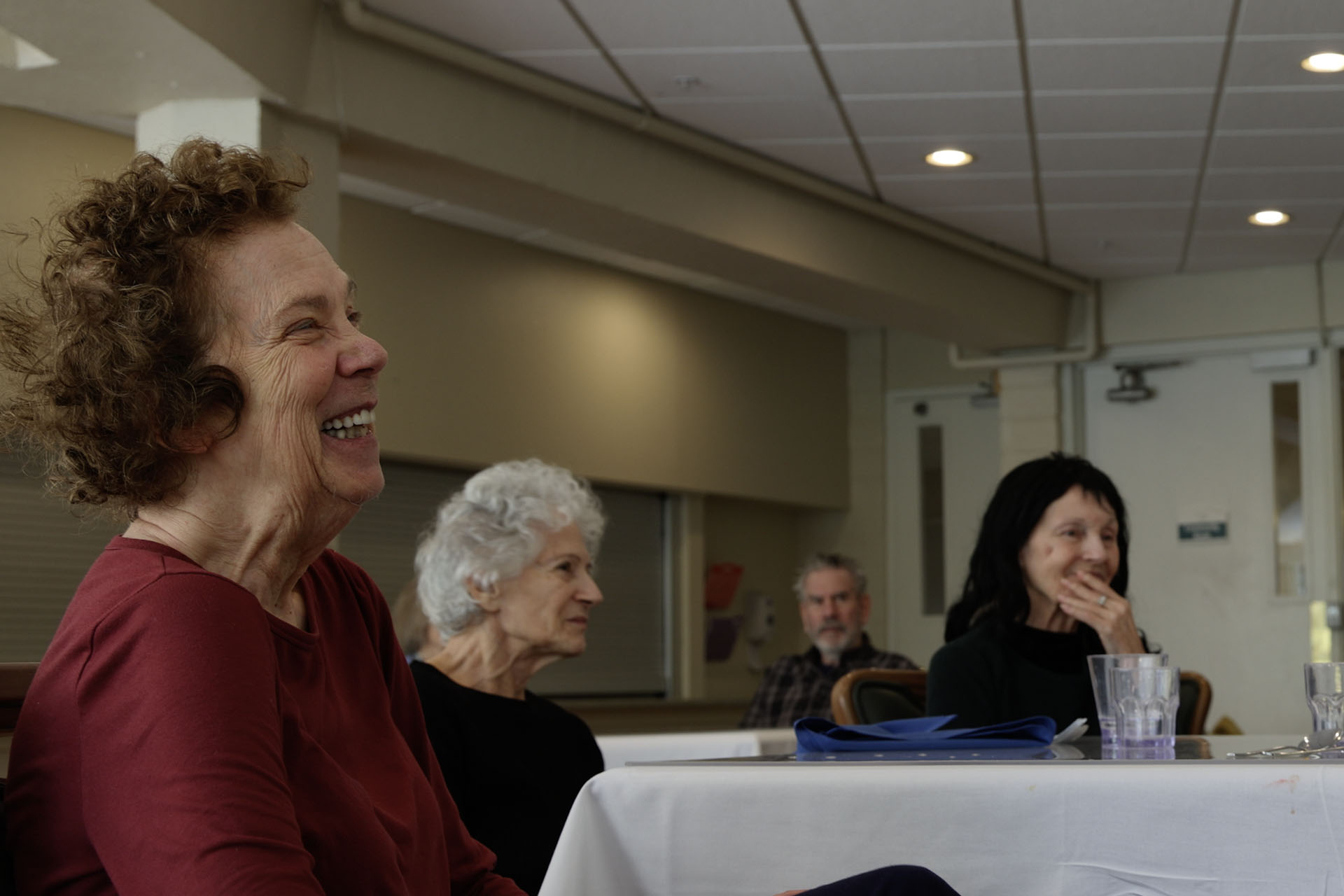
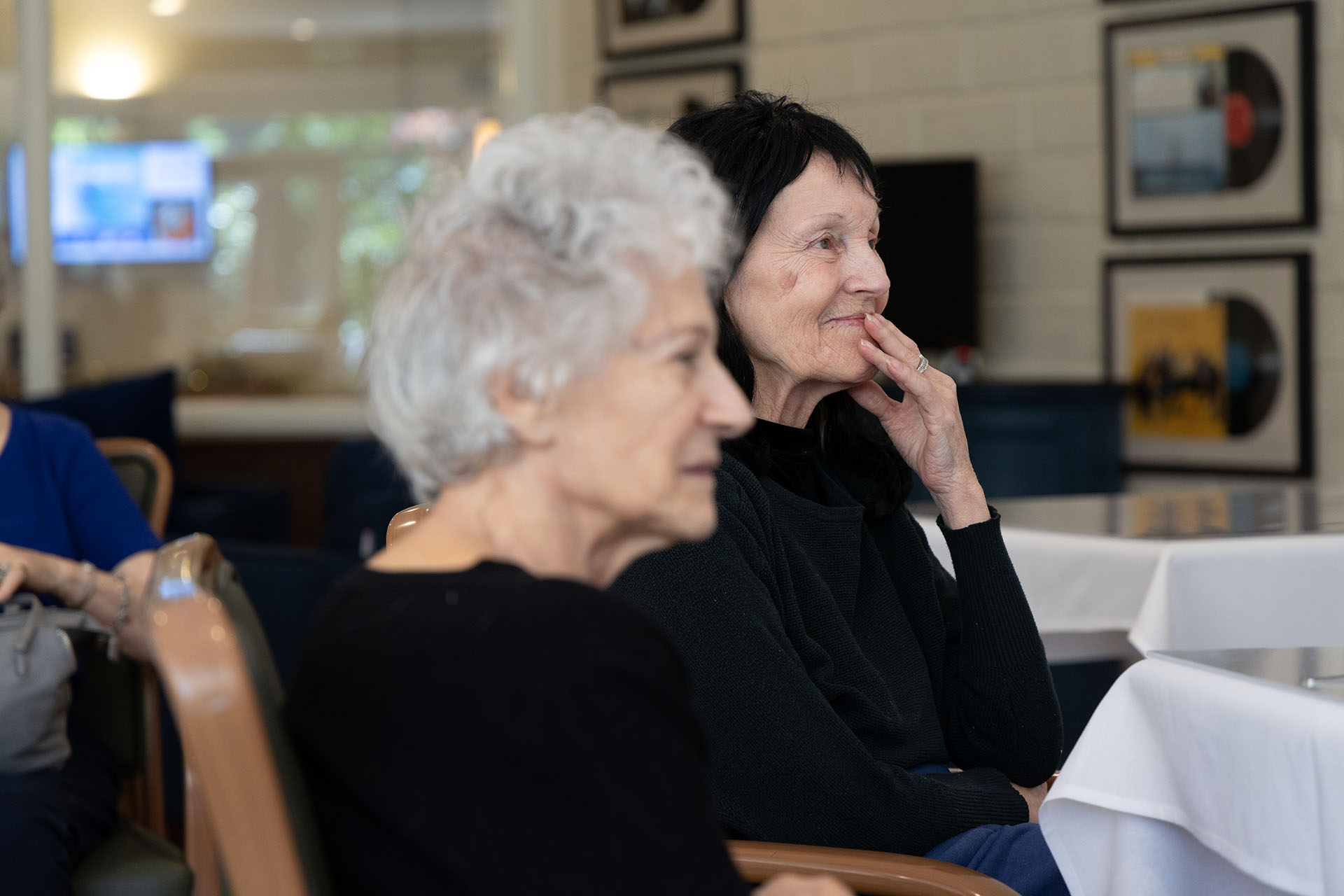
- Physical and Vocal Resonance: The familiar rhythm triggered immediate physical reactions, causing residents to smile, tap their feet, and snap their fingers. Non-verbal residents actively reconnected with peers by singing along to the iconic lyrics.
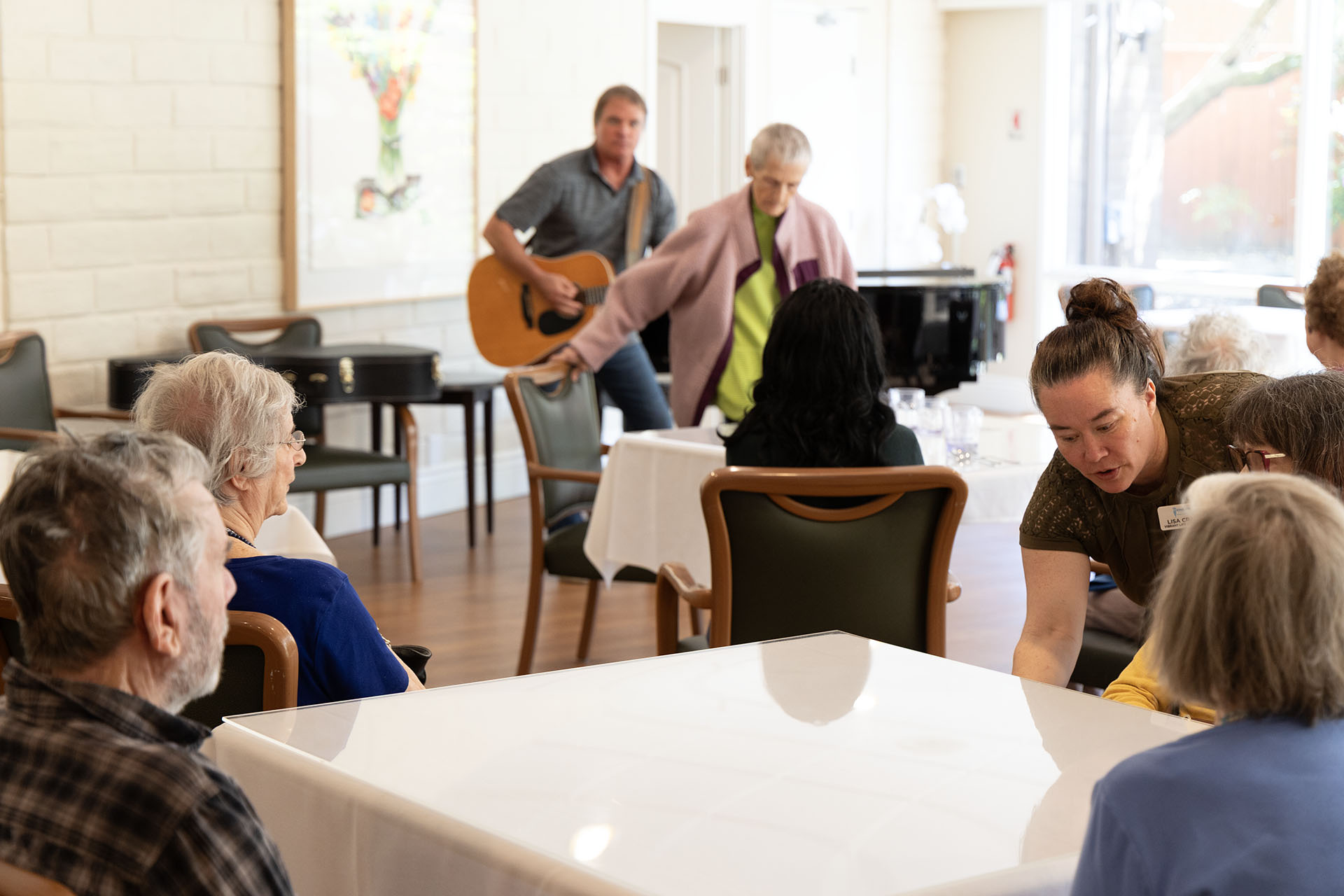
- Proximity-Based Tactile Engagement: Osbourne brought his guitar directly to the seating area, allowing residents to touch the wooden body and feel the physical vibrations of the steel strings to bridge late-stage communication gaps.
- Sundowning Mitigation: The performance concluded with a slow, down-tempo acoustic melody specifically timed to assist staff with afternoon transitions, reducing anxiety and calming late-day agitation.
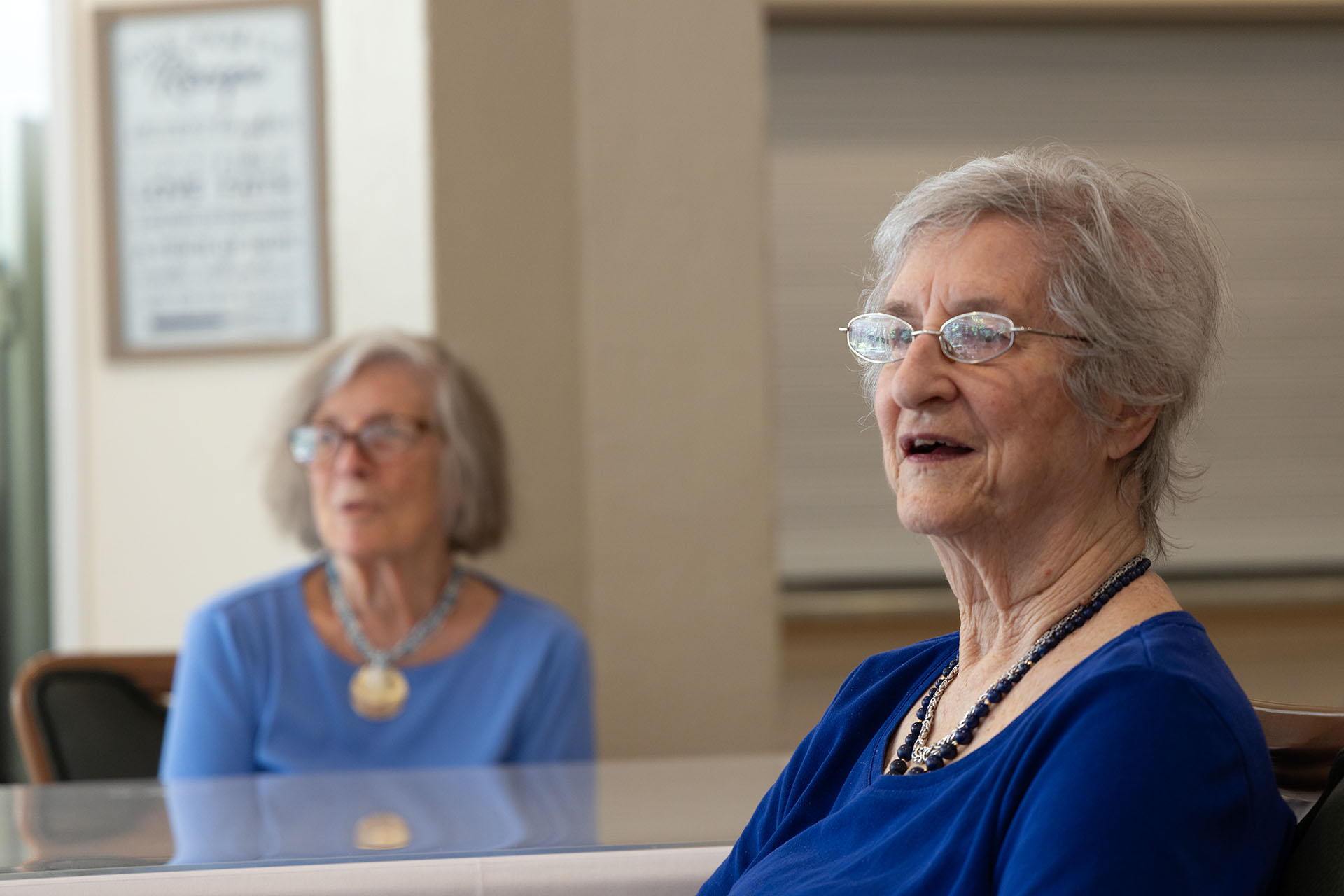 As the performance progressed, the cross-generational impact of the music became the defining characteristic of the afternoon. Family members who were visiting their loved ones during the set found themselves pulled into the collective experience, singing and clapping alongside the residents and staff. For many families, witnessing their parent or spouse instantly recall the syncopated rhythm and lyrics of "King of the Road," a song tied to road trips and radio plays of their youth, offered a powerful moment of emotional connection. This shared musical experience served as an accessible point of entry for meaningful communication, temporarily dissolving the standard relational frustrations frequently brought on by progressive memory loss.
Beyond the immediate emotional breakthroughs, the transition from active afternoon stimulation to the evening routine is historically a challenging period in memory care, often triggered by a phenomenon known as sundowning. However, the structured drop in tempo during the concert’s conclusion left the residents noticeably more relaxed, cooperative, and communicative during dinner service. By embedding these specific acoustic sets into the monthly calendar, the facility creates a natural transition tool that maintains resident dignity and promotes sustained tranquility well into the evening hours.
April 18, 2026
Venue: WindChime of Marin
What is the best memory care activity for dementia residents in Marin County?
Tailored music therapy events, such as live acoustic guitar performances, are highly effective because they tap into resilient neural pathways. Communities like WindChime of Marin in Kentfield, CA utilize these concerts within their Generations Memory Care program to stimulate memory, lower stress, and improve resident socialization.
How does live music help seniors with advanced Alzheimer's disease?
Live music provides structured rhythm and familiar melodies that act as cognitive anchors. When artists perform songs from a resident's formative years—like Roger Miller's "King of the Road"—it triggers deep-seated memory recall. This allows non-verbal or withdrawn individuals to physically engage by tapping their feet, snapping, or singing along.
What are the therapeutic benefits of tactile sensory stimulation in senior living?
For seniors experiencing late-stage dementia, tactile sensory stimulation (like physically touching an acoustic guitar body to feel string vibrations) bypasses verbal and visual processing barriers. This interactive approach helps residents participate in community events through direct, physical sensory connection.