Nutritional & Therapeutic Meal Preparation
Overview: Nutritional & Therapeutic Meal Preparation
Nourishing Mind and Body: Nutritional & Therapeutic Meal Preparation at Windchime of Marin
For many of us, mealtime is a cornerstone of daily life—a time for nourishment, connection, and joy. However, for individuals living with Alzheimer's disease and other forms of dementia, the dining experience can become fraught with anxiety, confusion, and physical challenges. As cognitive function declines, a resident may lose the fine motor skills required to use a knife and fork, experience diminished depth perception that makes recognizing food difficult, or develop dysphagia (difficulty swallowing).
At Windchime of Marin, nestled against the serene backdrop of Kentfield, we recognize that standard senior living dining is not sufficient for memory care. Proper care requires a specialized, clinical, and compassionate approach to food. Within our overarching Dining & Culinary Experiences category, our Nutritional & Therapeutic Meal Preparation is driven by our signature Elevate Dining® program. This holistic approach ensures that every meal served in our Marin County community is not only nutritionally dense but also therapeutically designed to preserve resident dignity and promote independence.
Featured Amenity: Elevate Dining®
The Elevate Dining® program is a revolutionary approach to memory care nutrition. It bridges the gap between the medical necessity of a healthy diet and the emotional need for a dignified, enjoyable dining experience. Our culinary and care teams collaborate closely to implement therapeutic techniques that address the specific behavioral and physical hurdles of dementia.
- Adaptive "Bite-Sized" Culinary Design: One of the most common causes of weight loss in dementia patients is the frustration associated with using silverware. When manipulating a fork becomes overwhelming, a resident may simply stop eating. Elevate Dining® utilizes sophisticated adaptive menus. Our chefs prepare nutritionally dense, deconstructed versions of main courses that can be easily eaten by hand. A complex chicken dish is transformed into tender, flavorful, bite-sized portions. This empowers residents to feed themselves, fostering independence and significantly increasing caloric intake.
- High-Contrast Visual Plating: Dementia often alters a person's visual-spatial abilities and contrast sensitivity. White food on a white plate on a white tablecloth can appear as a confusing, blank canvas. We employ high-contrast plating techniques, utilizing brightly colored plates (often deep blues or vibrant reds) that make the food stand out clearly. This visual cueing helps the brain recognize the meal and guides the resident on where to focus their attention.
- Dignified Texture Modification: Dysphagia, or difficulty swallowing, is a serious medical concern in the later stages of Alzheimer's. While pureed diets are necessary to prevent choking or aspiration, traditional "mushy" purees strip the meal of its visual appeal and dignity. Our culinary team at Windchime of Marin utilizes advanced piping, molding, and thickening techniques. A pureed carrot is artfully molded to look like a fresh, whole carrot. This ensures the meal is safe to swallow while remaining visually appetizing and psychologically comforting.
- Aromatherapy and Appetite Stimulation: The olfactory nerve is intimately connected to the brain's memory and emotion centers. Before a meal is served, our team purposefully allows the comforting aromas of cooking—such as baking bread or simmering garlic—to waft through the dining room. This natural, therapeutic sensory stimulation acts as a cue to the brain, triggering the appetite and preparing the digestive system long before the first bite is taken.
- Nutritional Density for Brain Health: Every meal is formulated to maximize neurological support. We integrate the principles of the MIND diet, focusing heavily on antioxidants, omega-3 fatty acids, and complex carbohydrates. By utilizing the abundant, fresh produce available right here in Marin County, we ensure that every bite is packed with the nutrients necessary to stabilize mood, support physical health, and slow cognitive decli
The Environment: A Setting for Success
Therapeutic meal preparation is only half of the equation; the environment in which the meal is consumed is equally vital. The dining rooms at Windchime of Marin are specifically designed to reduce anxiety and overstimulation.
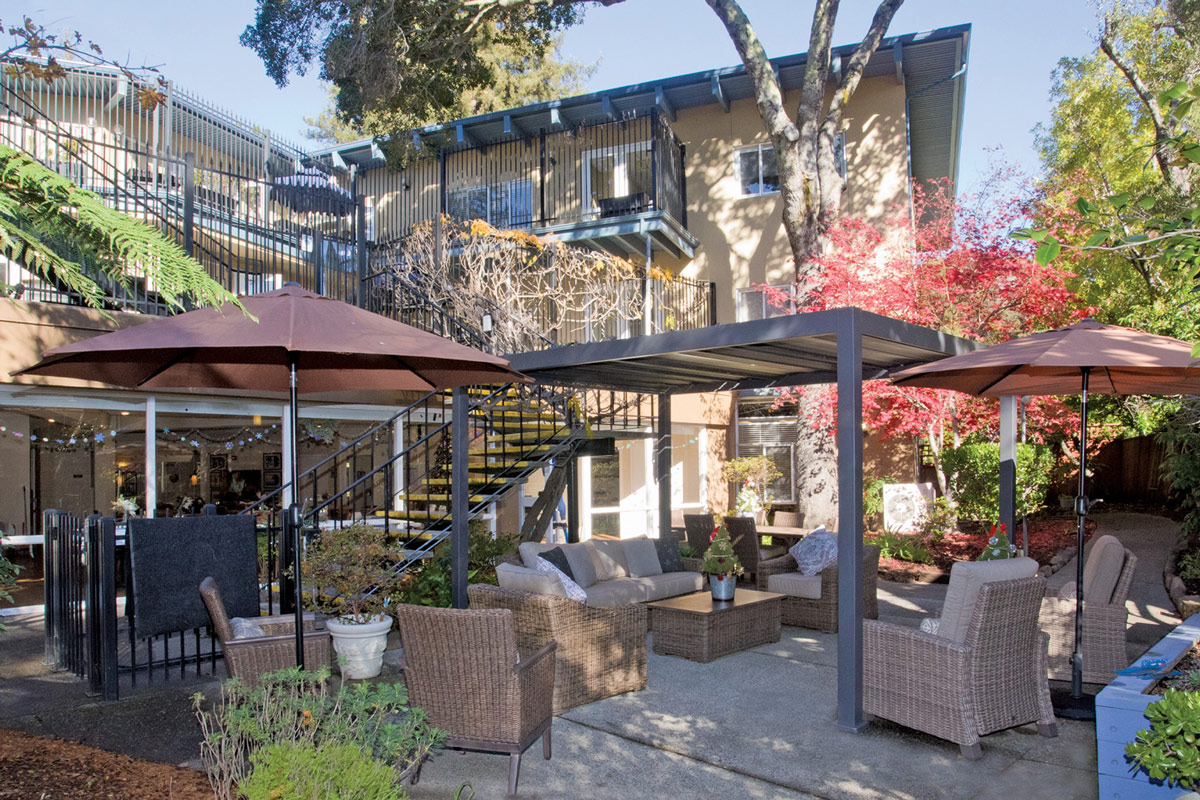
We remove distracting tabletop clutter (like excessive condiments or complex floral arrangements) that can confuse a resident. The lighting is kept bright but soft, and gentle background music is played to create a calming rhythm. Many of our dining areas feature beautiful, large windows looking out toward the Kentfield hills or our secure, landscaped courtyards, providing a serene visual backdrop.
Crucially, our caregivers practice "dining with dignity." They sit alongside the residents during meal times. Rather than hovering and rushing a resident, caregivers eat with them, modeling the physical mechanics of eating and offering gentle, verbal cues. This transforms mealtime from a clinical feeding task into a warm, familial social event.
By combining the culinary science of the Elevate Dining® program with the compassionate atmosphere of our Kentfield facility, Windchime of Marin ensures that dining remains a source of health, comfort, and joy for every resident in our care.
Frequently Asked Questions (FAQs)
What exactly is the Elevate Dining® program?
Elevate Dining® is our signature therapeutic culinary program designed specifically for memory care. It utilizes evidence-based strategies—such as bite-sized adaptive menus, high-contrast dishware, and specialized texture modifications—to help residents with dementia eat safely, independently, and with dignity.
My mother refuses to use a fork and gets frustrated at dinner. How do you handle this?
This is a very common symptom of cognitive decline. Instead of forcing utensil use, our chefs prepare "finger-food" or bite-sized versions of the daily menu. This allows your mother to use her hands to eat the exact same nutritious meal as everyone else, removing the frustration and promoting her independence.
What do you do if a resident has trouble swallowing?
For residents with dysphagia, we offer expertly texture-modified diets (such as mechanical soft or pureed foods). We use specialized culinary molds so that pureed foods look like their original form, ensuring the meal remains safe to swallow but still looks appetizing.
How do you help residents who wander or won't sit still for a meal?
We understand that sitting for a 45-minute meal is impossible for some residents. Our adaptive, bite-sized meals allow residents to safely eat while they are actively moving or walking in our secure neighborhoods. We bring the nutrition to them, wherever they are most comfortable.
Are the meals nutritionally balanced for seniors?
Yes. Our menus are heavily influenced by the MIND diet, focusing on brain-boosting ingredients like leafy greens, berries, and healthy fats. We also source heavily from local Marin County farms to ensure maximum freshness and nutritional density.
Do caregivers feed the residents?
Our goal is always to maximize independence. Caregivers sit with residents to provide verbal cues and model eating behaviors. If physical assistance is required, our staff provides it gently and respectfully, ensuring the resident sets the pace of the meal.
Citations:
-
Alzheimer's Association: Adapting the Dining Environment for Memory Care.
-
National Institutes of Health (NIH): Nutrition and Dysphagia Management in Dementia.