SCHEDULE A TOUR NOW
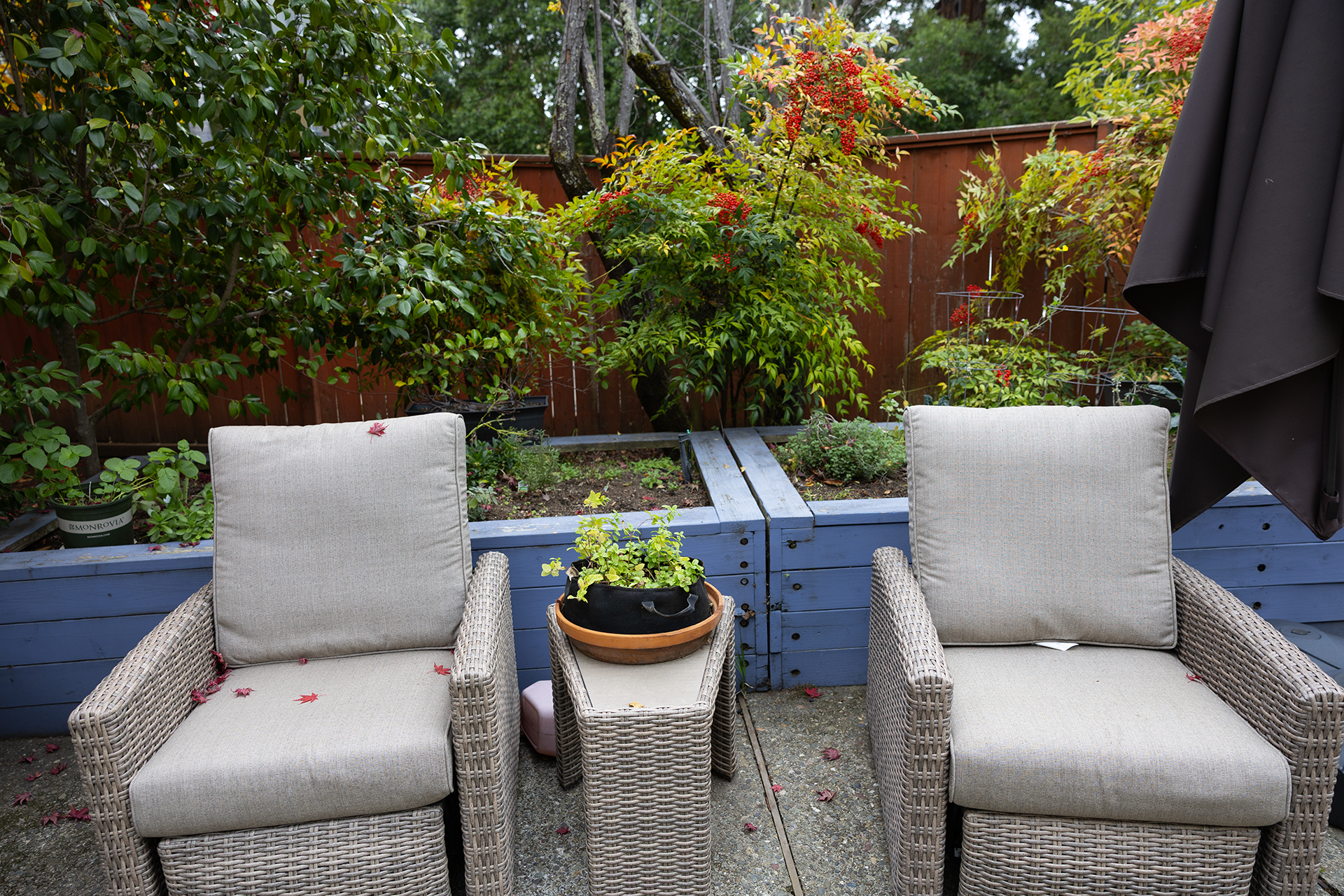
Patio with shade covers

Gardening and Horticulture Programs

Overview: Gardening & Horticulture Programs

Discover the healing power of nature with the Gardening & Horticulture Programs at Windchime of Marin. Located in the beautiful, temperate climate of Kentfield, our carefully designed raised garden beds and sensory-rich plant life offer residents a therapeutic outlet that stimulates cognition, improves physical dexterity, and provides a profound sense of purpose. Through purposeful, guided outdoor activities, residents in our Marin County community can safely cultivate joy and connect with the natural world.

Gardening & Horticulture Programs at Windchime of Marin: Cultivating Cognitive Health and Joy.  The Deep Roots of Therapeutic Horticulture in Dementia Care


For generations, human beings have turned to the soil for sustenance, peace, and a sense of grounding. For individuals navigating the complex, often disorienting journey of Alzheimer's disease and other forms of dementia, this connection to nature becomes even more vital. Traditional clinical settings can sometimes feel sterile and uninspiring, leading to feelings of isolation or restlessness. However, integrating structured, nature-based activities into daily life can dramatically shift a resident's experience from passive to active. 


At Windchime of Marin, we have wholeheartedly embraced the proven benefits of therapeutic horticulture. We recognize that gardening is not merely a hobby to pass the time; it is a highly effective, non-pharmacological intervention that touches every aspect of a resident’s well-being. From sparking long-dormant memories to encouraging gentle physical exercise, our Gardening & Horticulture Programs are a cornerstone of our holistic memory care philosophy. 


Nestled in the idyllic landscape of Kentfield, California, our community is uniquely positioned to offer an exceptional gardening experience. The famed microclimates of Marin County provide nearly year-round opportunities for outdoor engagement. Here, under the gentle Northern California sun and with views of the surrounding hills, our residents find peace, purpose, and community in the soil.


Key Features of Our Gardening & Horticulture Programs


Our horticulture program is meticulously designed to ensure safety, accessibility, and maximum therapeutic benefit for residents at all stages of cognitive decline. We have tailored our physical grounds and our activity curriculum to eliminate barriers and encourage joyful participation.


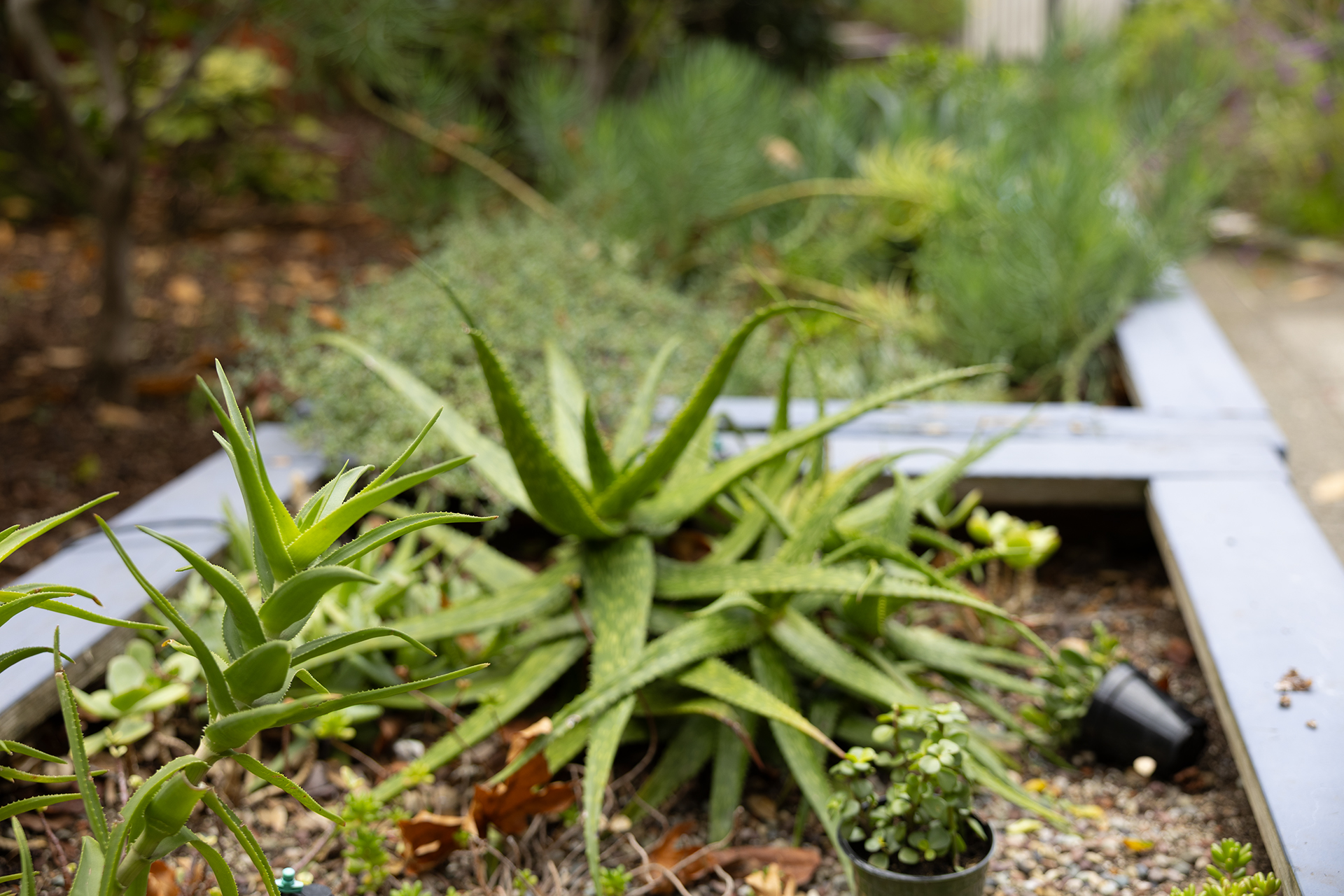
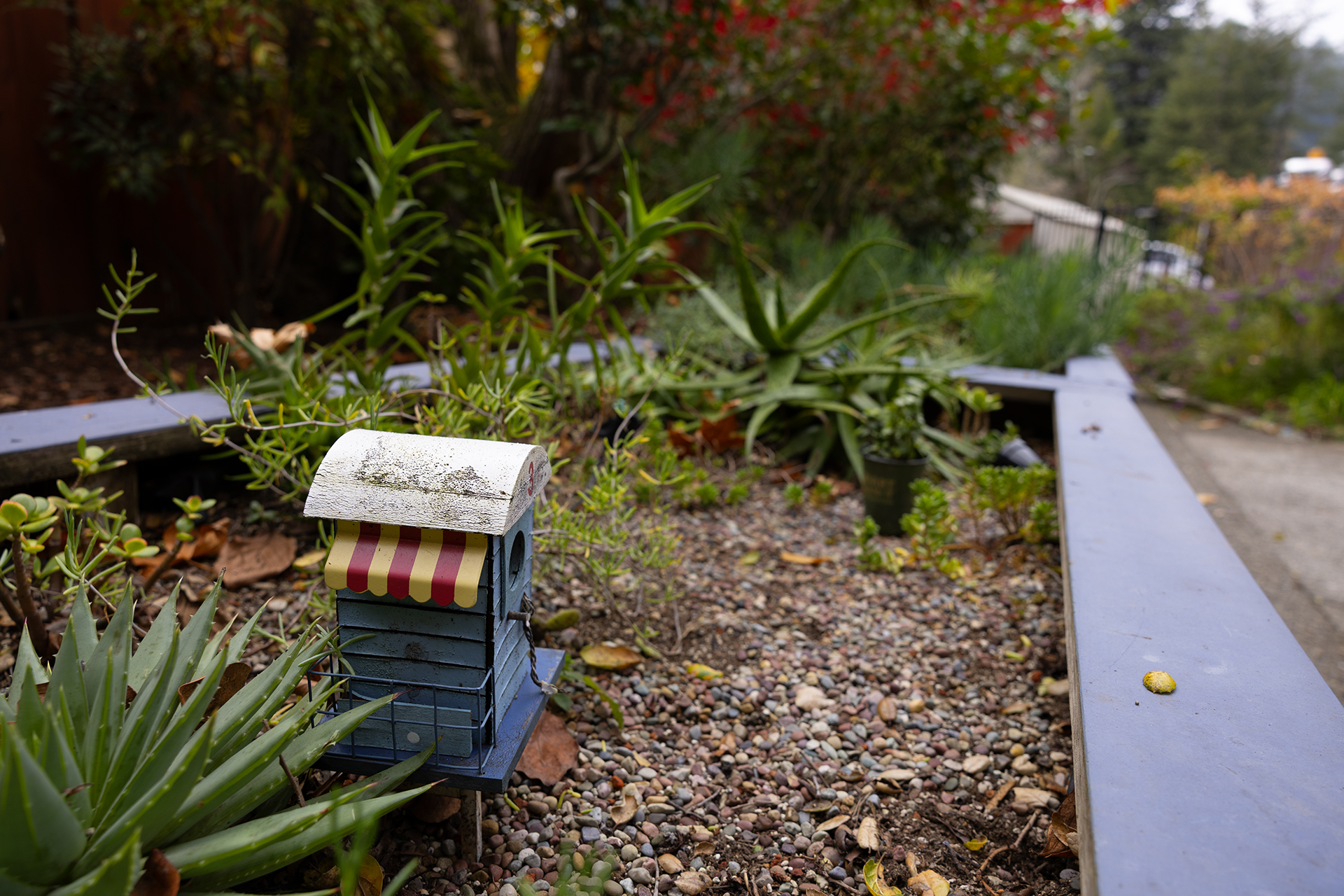
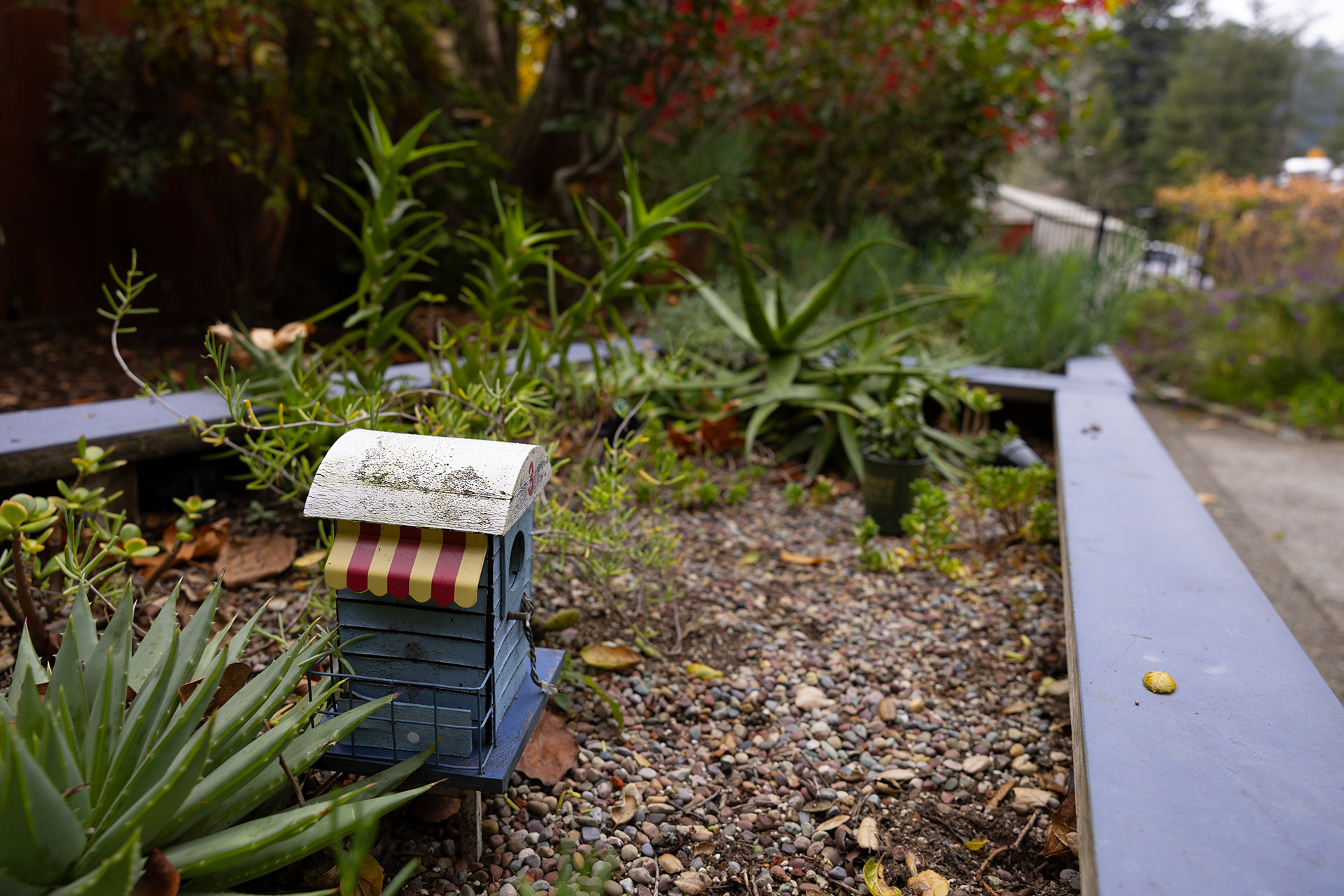
  • Accessible, Ergonomic Raised Planter Beds: Safety and physical comfort are our top priorities. Traditional gardening requires kneeling, deep bending, and heavy lifting—movements that can be dangerous or impossible for many seniors. To solve this, our dedicated garden areas, such as the Oak Grove Garden and the Sunset Patio, feature custom-built, raised planter beds. These beds are elevated to wheelchair-accessible heights and allow residents who use walkers or canes to comfortably reach the soil without straining their backs or risking a fall. Wide, smoothly paved pathways between the beds ensure effortless navigation.
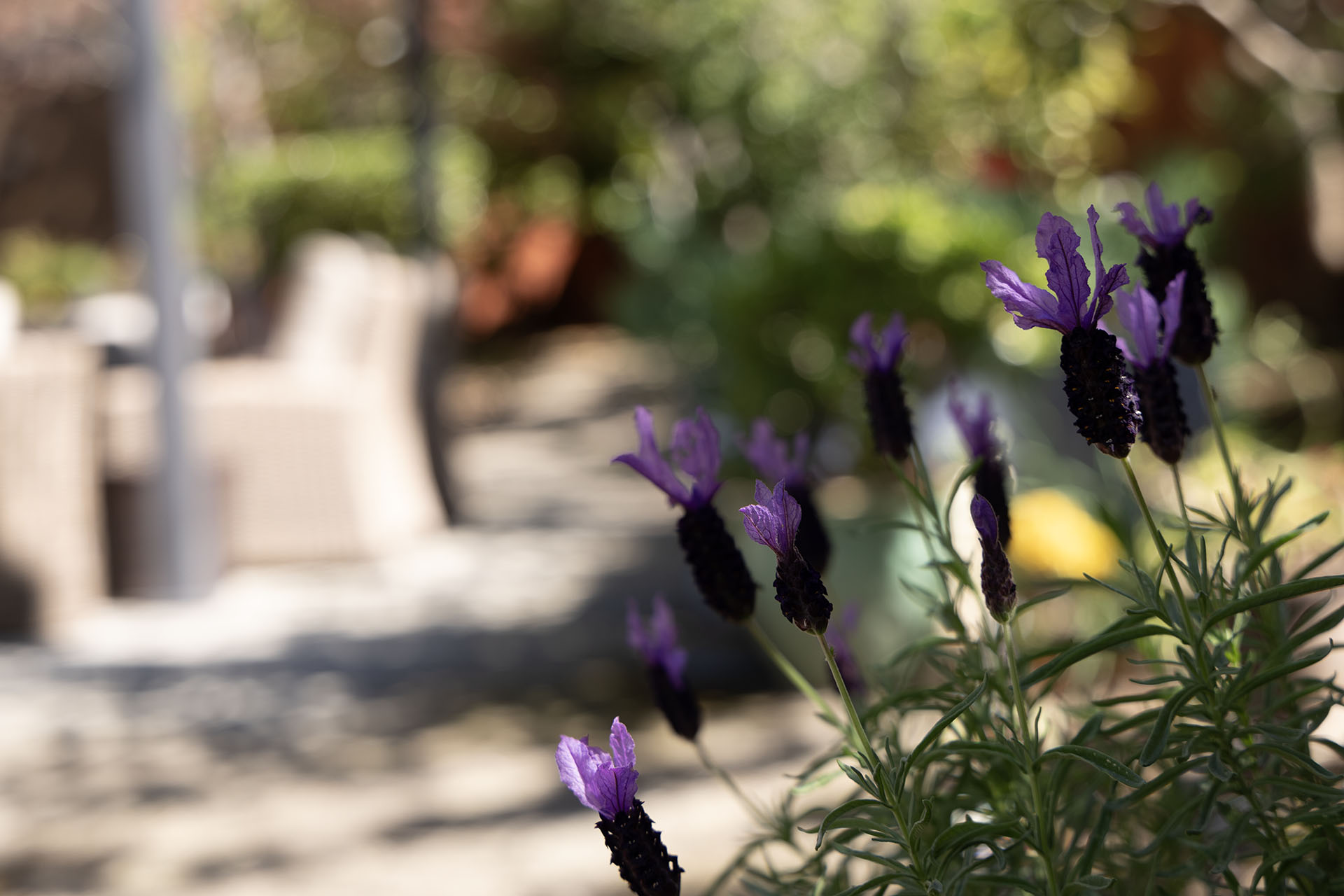
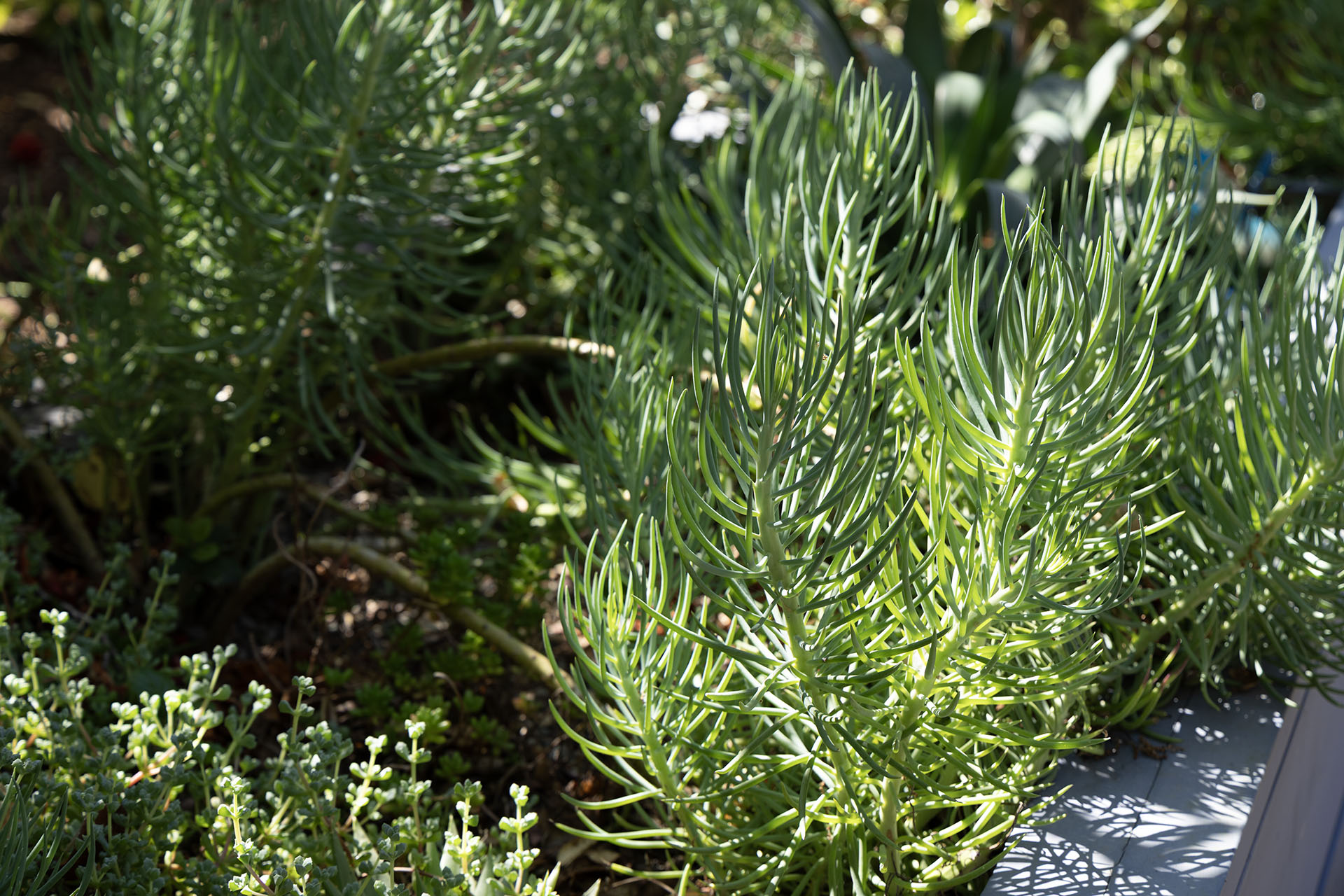
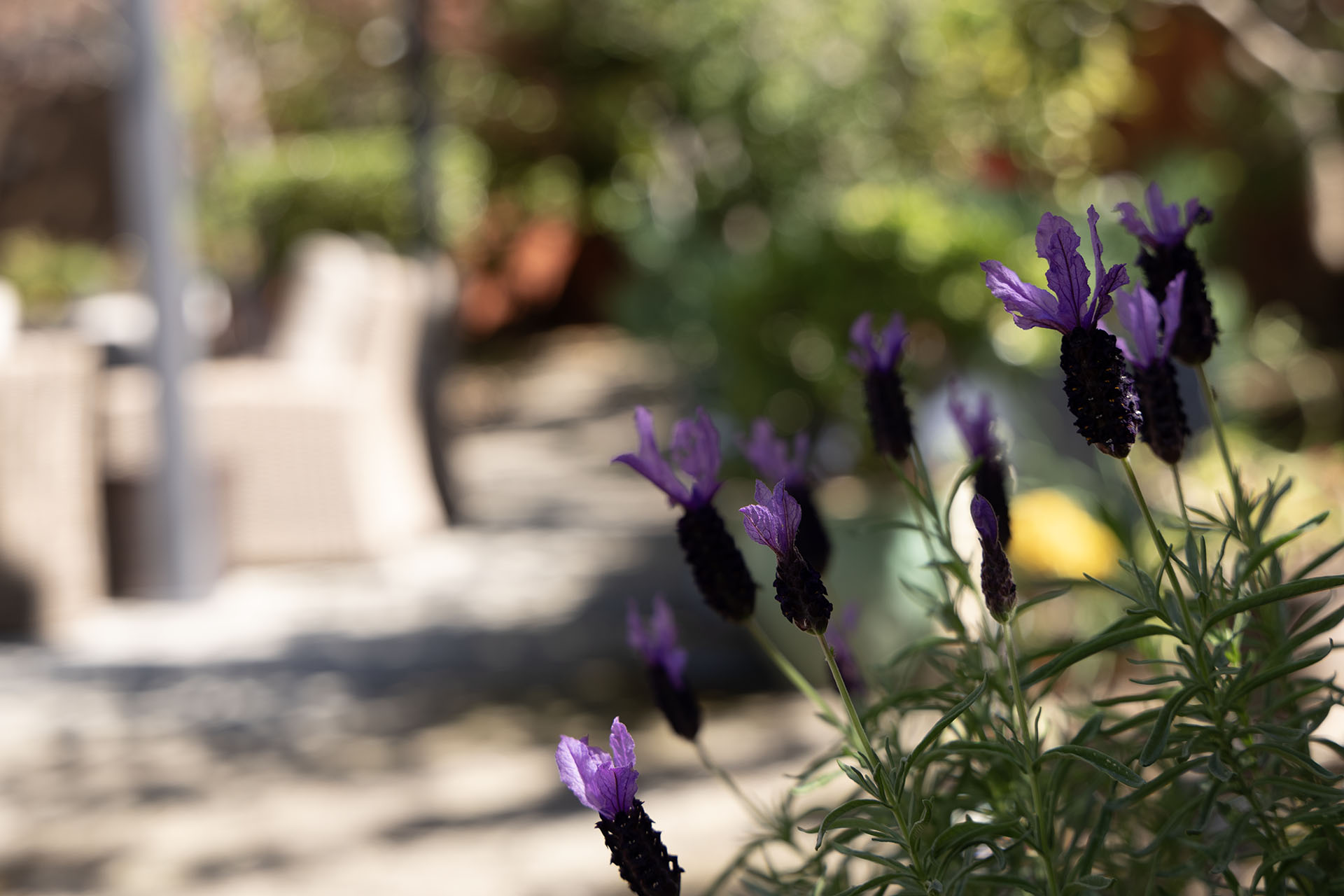
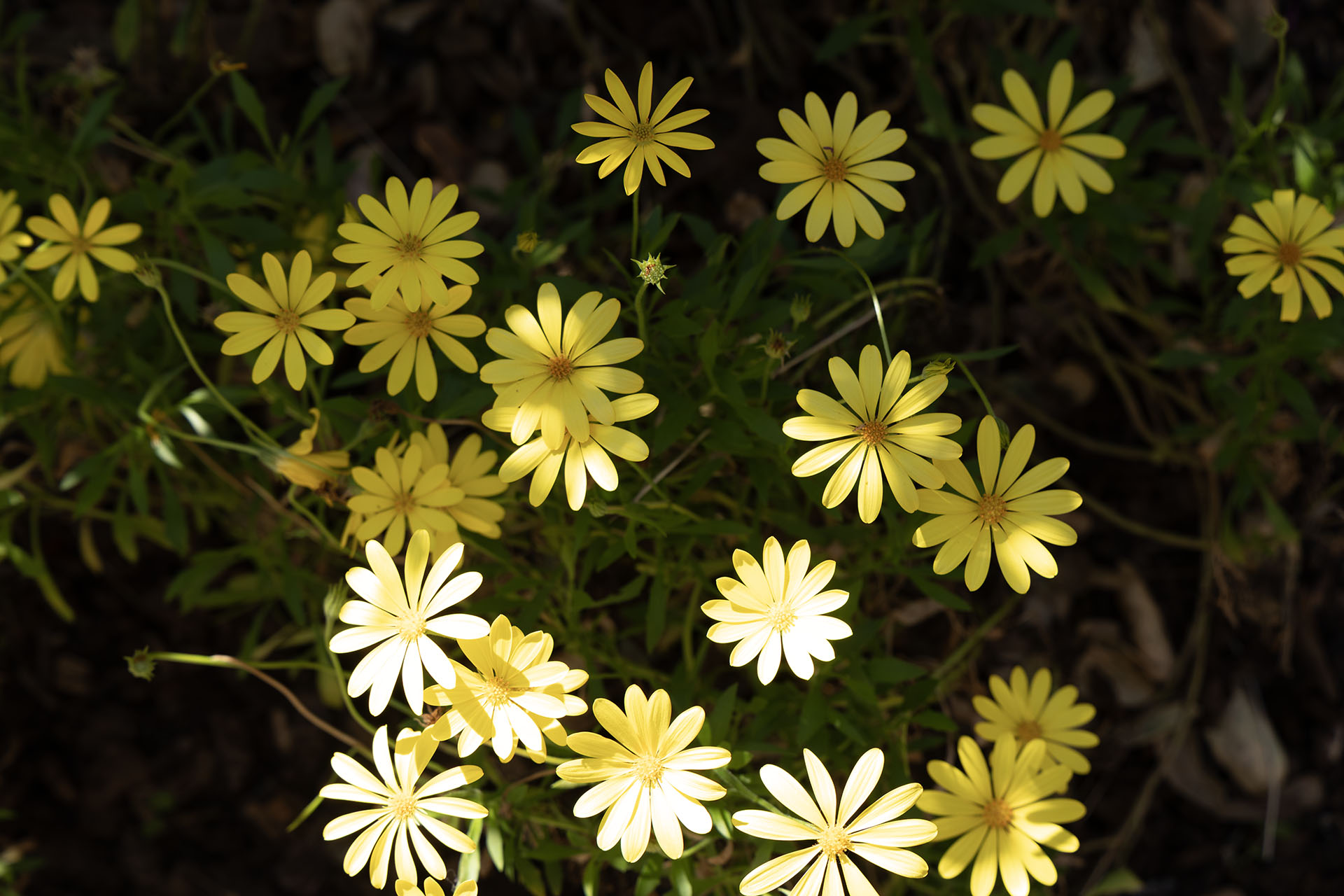
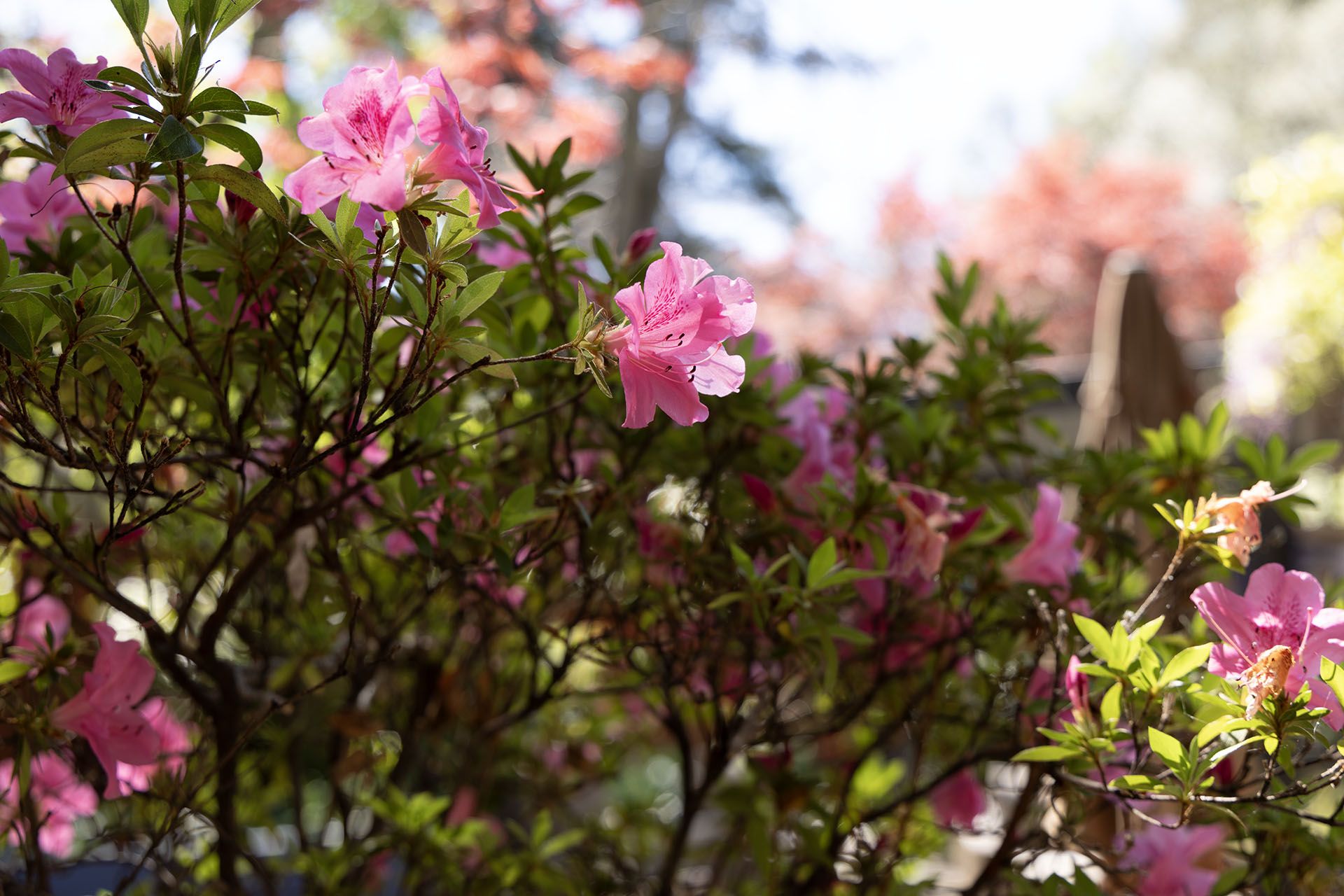
  • Sensory-Rich, Safe Plant Selection: Every plant introduced to our Windchime of Marin gardens is selected with intention. Because individuals with dementia interact with their environment heavily through their senses, we focus on sensory-rich plantings. Residents can brush their hands over soft Lamb’s Ear, smell the invigorating scent of crushed peppermint or rosemary, and observe the vibrant, contrasting colors of seasonal marigolds and zinnias. Furthermore, our horticultural staff ensures that all plants in the community are non-toxic and entirely safe, recognizing that some residents may explore their environment by tasting.
  • Therapeutic Fine Motor Activities: Dementia often impacts a person's fine motor skills and hand-eye coordination over time. Gardening provides a natural, enjoyable way to exercise these crucial muscles. Guided by our compassionate caregivers and activity directors, residents engage in tasks tailored to their physical abilities. Pinching tiny seeds, gently patting down loose soil, pruning small leaves, or using lightweight watering cans all require precision and dexterity. This gentle, repetitive motion acts as informal physical therapy, helping residents maintain their independence in daily tasks for as long as possible.
  • Cognitive Stimulation and Reminiscence Therapy: The garden is a powerful trigger for long-term memory. The smell of a specific tomato vine or the feeling of damp earth can instantly transport a resident back to their childhood farm or their own family backyard. Our staff uses these moments to practice Reminiscence Therapy—encouraging residents to share stories from their past, which helps validate their identity and boosts their self-esteem. Additionally, following the sequential steps required to plant a flower (digging a hole, placing the seed, covering it, watering) exercises executive function and helps maintain cognitive pathways.
  • Seasonal Garden-to-Table Integration: Our horticulture program extends beyond the garden gates and into our dining experience. Whenever possible, we integrate the herbs and simple vegetables grown by our residents into the community's meals. The pride a resident feels when they realize the basil on their pasta was grown by their own hands is immeasurable. This garden-to-table approach reinforces a sense of purpose and self-worth, proving that they are still active, contributing members of their community.


Thriving in the Marin County Landscape


The success of our program is deeply tied to our location. Windchime of Marin was designed to harmonize with the stunning local geography. Our facility layout deliberately places our secure memory care courtyards and gardening hubs in areas that receive optimal, gentle morning sunlight while offering protection from the harsher afternoon heat.


The temperate climate of Kentfield allows our horticulture programs to run continuously. While winter months might focus on indoor terrariums or propagating succulents in our sunlit activity rooms, the spring, summer, and fall are spent outdoors, embracing the fresh Marin County air. The backdrop of the majestic Mount Tamalpais in the distance serves as a constant, beautiful reminder of the vibrant world our residents are still very much a part of.
By providing these thoughtfully designed, secure gardening spaces within our main campus, we ensure that our residents never lose their connection to the natural beauty that makes Marin County so special.


Frequently Asked Questions (FAQs)


Does a resident need prior gardening experience to participate?

Not at all. Our horticulture programs are designed for all skill levels. Whether your loved one was a master gardener or has never planted a seed, our staff provides the guidance and gentle assistance needed to make the activity enjoyable and successful.


How do you ensure residents are safe from sharp tools or toxic plants?

Safety is paramount. We do not use sharp, heavy, or dangerous gardening tools. Instead, we use lightweight, senior-friendly implements, and often encourage simply using hands to interact with the soft soil. Additionally, all plants in our secure courtyards are rigorously vetted to be completely non-toxic.


Are the gardening areas accessible for residents in wheelchairs?

Yes. The Oak Grove Garden and other designated gardening areas feature custom-raised planter beds specifically designed to accommodate wheelchairs and seated walkers. The pathways are wide, level, and smoothly paved.


What happens to the horticulture program during the rainy season or winter?

The therapy doesn't stop! During inclement weather, we bring the garden indoors. We host flower arranging classes, paint terracotta pots, build small indoor terrariums, and care for indoor houseplants within our sunlit activity rooms.


How does gardening help with Alzheimer's symptoms like agitation?

Being in a natural environment and engaging in repetitive, low-stress tasks (like weeding or watering) has been shown to significantly lower cortisol levels. This can drastically reduce feelings of anxiety, restlessness, and the agitation often associated with "sundowning."


Do residents get to eat what they grow?

Yes, we love incorporating their harvest! While we focus mostly on sensory herbs and simple-to-grow items like cherry tomatoes, our culinary team safely washes and incorporates these resident-grown ingredients into our community meals and dining programs.


Is the gardening program supervised?

Absolutely. All outdoor programs and activities at Windchime of Marin are closely supervised and guided by our highly trained care staff and life enrichment coordinators.